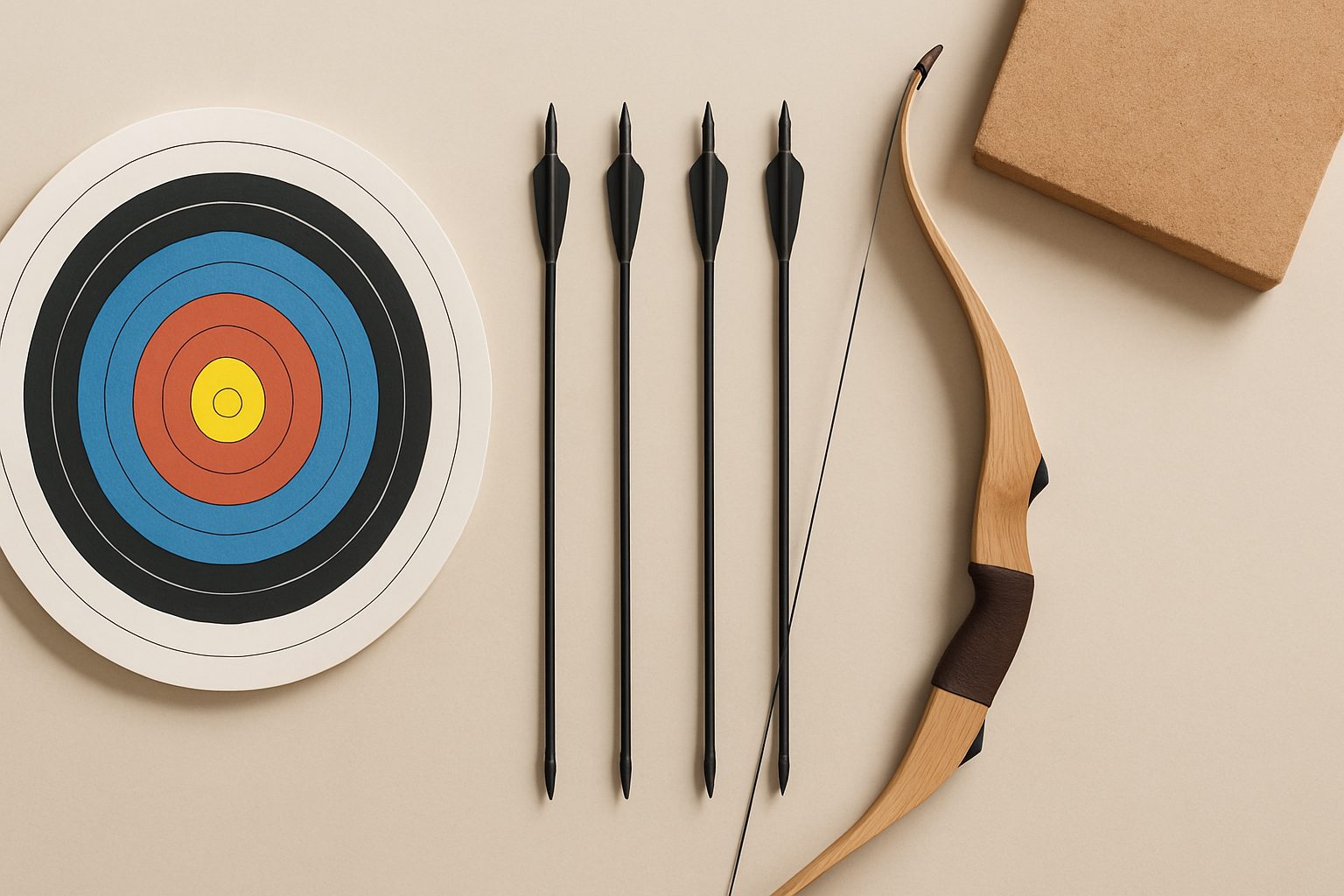
Home Archery Range Ideas for Kids UK: Safe Setups & Junior Gear
Setting up a home archery range for children is entirely achievable in most UK gardens, but it requires careful planning around safety, space, and equipment choice. Unlike outdoor clubs with dedicated fields, a domestic setup demands specific precautions and realistic expectations about distance and progression.
Age and Starting Points
Children as young as 6 can learn archery with proper supervision, though most find it most enjoyable from around 8 upwards when hand strength and focus improve noticeably. Start with lightweight bows designed for younger shooters—these have lower draw weights and often shorter draw lengths that match a child's frame.
Beginners should practice at 5–10 metres initially. This isn't about hitting distant targets; it's about developing consistent form, understanding safety rules, and building confidence. A 6-year-old with a 8-pound draw-weight bow at 5 metres will progress faster than one struggling with adult equipment at 15 metres.
Garden Space Requirements
Most suburban UK gardens can accommodate a beginner setup. The absolute minimum is:
- Clear shooting lane: 10 metres behind the archer to the target and 5 metres either side
- Backdrop zone: 3–5 metres behind the target as a safety buffer
- Total depth: At least 15 metres, ideally more
If your garden is smaller (under 12 metres), focus on shorter distances (5–8 metres) or consider a garage, covered area, or even an indoor hallway for winter practice with foam-tipped arrows.
Check with neighbours beforehand. It's worth mentioning what you're doing—surprising someone with archery activity causes genuine concern. Most neighbours are fine with it once they understand proper precautions.
Selecting Junior Bows
Recurve bows are the standard starting point. Models like the Samick Sage are often cut down or replaced with specifically designed youth versions. Brands including Trueflight and Bear Archery make genuine junior recurves that don't compromise on quality.
Look for:
- Draw weight: 8–15 pounds for ages 6–10; 15–25 pounds for ages 10–14. Underbowing is better than overbowing—kids should draw the bow smoothly with good form, not strain.
- Draw length: This must match the child's arm span. Most junior bows are adjustable or come in XS and S sizes.
- Sight window: A deeper sight window (the cut-out on the bow) helps younger shooters see the target clearly.
Compound bows aren't ideal for beginners—they're less forgiving of form mistakes and can be overly mechanical. Recurves teach real technique.
Budget roughly £40–120 for a decent junior recurve with arrows and an arm guard. Spending more initially is false economy if the child loses interest; plenty of quality second-hand options exist.
Targets and Backstops
Target faces: Foam archery targets (30–40cm diameter) designed for outdoor use work well in gardens. Three-dimensional foam animals are popular with kids but less practical; stick with traditional bullseye faces initially for honest feedback on accuracy.
Backstops: This is critical. Never rely on distance alone. Options include:
- Straw-filled targets or bosses: Traditional and effective. A 60cm foam boss with a plywood backing absorbs arrows safely and lasts years.
- Target boxes with foam: Compact, tidy, and good for smaller spaces.
- Wooden frame with wooden stops: DIY option using treated timber and stopping layers of MDF or plywood behind the target face.
Position the backstop well away from fences, sheds, and boundaries. If an arrow misses the target, it should hit solid backing, not fly into a neighbour's garden. A second catch-net behind the backstop (cheap netting stapled to wooden posts) offers additional reassurance in smaller spaces.
Basic Safety Framework
Establish clear rules before the first arrow:
- One archer at a time. A second person retrieving arrows whilst one is shooting is the leading cause of accidents. Designate a clear retrieval phase when the bow is lowered and no one is shooting.
- Constant supervision. Never leave children alone with bows and arrows.
- Finger protection: Arm guards and finger tabs (or gloves) prevent string slap. This sounds minor but hurts enough to discourage practice; protect hands and confidence.
- Closed space: Keep siblings, pets, and others out of the shooting lane during practice.
- Arrow count: Keep only the arrows you're using in the range at any time. A lost arrow rolling under a hedge is easily forgotten.
Weather and Season
UK weather affects practice more than most realise. Rain soaks foam targets and slows arrow flight noticeably. Strong wind makes accuracy nearly impossible and can push arrows offline into unintended areas. Damp ground increases slip hazards.
Indoor alternatives help fill winter months: a covered patio, garage, or even a garden marquee expands the season. Some families set up in hallways or spare rooms with very short distances (3–4 metres) and blunt foam-tipped arrows specifically designed for indoor use.
Progression and Beyond
Once form is solid at 10 metres, introduce small competitions: hitting specific zones on the target, or 3-arrow scoring rounds. Most children plateau naturally at this stage unless they show real enthusiasm—and that's fine. Home practice serves comfort and basics perfectly.
If your child progresses seriously, local clubs like those affiliated with Archery GB offer structured coaching, competition, and longer-distance ranges impossible at home. But a home range builds confidence, improves basic skills, and lets you discover whether archery genuinely hooks them before committing to club fees and weekend travel.
A well-planned garden setup costs surprisingly little and provides years of safe, rewarding practice.
More options
- Garden Archery Targets (Amazon UK)
- Archery Backstop & Safety Netting (Amazon UK)
- Archery Target Stands (Amazon UK)
- Recurve & Compound Bows for Home Use (Amazon UK)
- Carbon & Fibreglass Arrow Sets (Amazon UK)